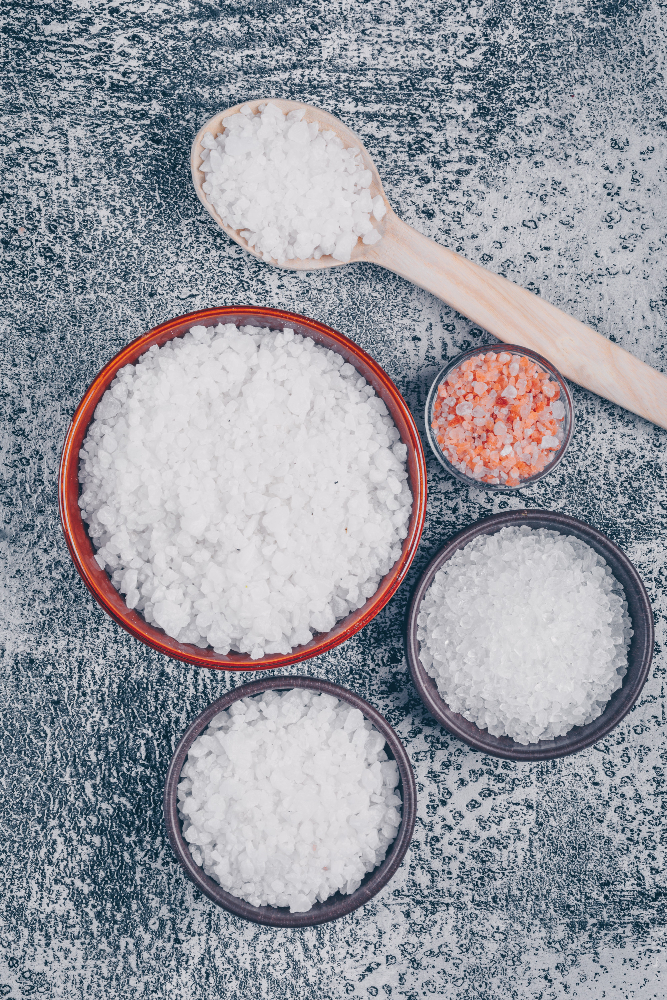
Why when you salt matters more than how much
Most home cooks think of salt as the final step. A sprinkle here, a pinch there, taste, repeat. If the food is bland, add more. Simple.
Except salt doesn’t just season.
It changes structure, timing, and behaviour of food.
Used correctly, salt is a quiet control freak—it decides whether meat stays juicy, vegetables soften properly, and sauces taste “finished” instead of rushed. Used badly, it turns dinner into a salty apology.
This Hack-Attack isn’t about salting more.
It’s about salting smarter—and at the right time.
What Salt Actually Does (Beyond Taste)
Before timing, you need to understand what salt is busy doing behind the scenes:
- Draws out moisture
Salt pulls water from food surfaces. That’s not bad—it’s chemistry.

- Breaks down proteins
This affects tenderness, juiciness, and texture. - Helps flavours penetrate
Salt moves inward over time. Sprinkling at the end only seasons the surface. - Controls browning
Dry surfaces brown better. Wet ones steam and sulk.
Once you understand this, you stop asking “Is this salty enough?”
And start asking “Is this the right moment to salt?”
The Three Salt Timings Every Cook Should Know
Think of salt as having three personalities, depending on when you use it.

1. Early Salt: Structure & Depth
When to use it:
- Raw meat
- Potatoes
- Tough vegetables
- Beans, lentils, grains
- Soups and stocks (lightly)
What early salting does:
- Draws moisture out, then allows it to reabsorb
- Helps salt move inside food, not just sit on top
- Improves tenderness and even cooking
Example: Meat
Salt chicken, beef, or pork 20–60 minutes before cooking (or even overnight if planned).
What happens:
- Moisture comes out
- Salt dissolves
- Moisture goes back in—now seasoned
Result:
- Juicier meat
- More even seasoning
- Better browning
This is why meat salted only at the end tastes “salty but hollow”.
2. Midway Salt: Texture Control
When to use it:
- Vegetables in the pan
- Stir-fries
- Sauces
- Egg dishes
Midway salting is about managing water release.
Example: Mushrooms
Salt them too early:
- They release water
- You boil instead of brown
- Sad, grey mushrooms
Salt them midway:
- They brown first
- Then soften properly
- Deep, savoury flavour
This is also why stir-fries fail. Too much salt at the start = watery mess.
3. Late Salt: Precision & Balance
When to use it:
- Finishing sauces
- Eggs
- Delicate greens
- Final adjustments
Late salt doesn’t change structure much—it’s for clarity.
This is where:
- You sharpen flavours
- Fix imbalance
- Bring everything into focus
But late salt can’t fix under-seasoned interiors.
It only fixes what’s already there.
The Biggest Salt Mistakes (And Why They Happen)
❌ “I’ll salt at the end so I don’t oversalt”
This creates food that tastes salty outside and bland inside.
Better approach:
- Light early salt
- Adjust at the end
Salt is not all-or-nothing.
❌ Salting vegetables too early in stir-fries
This pulls water out fast, lowering pan temperature.
Result:
- No browning
- Limp texture
- Sauce instead of stir-fry
❌ Treating all salt the same
Table salt, kosher salt, sea salt—they don’t behave identically.
Volume matters.
Texture matters.
But timing matters more.
A Simple Salt Timing Cheat Sheet
Meat:
- Early salt for juiciness
- Light final salt if needed
Root vegetables:
- Salt early so they soften evenly
Leafy greens:
- Salt late or they collapse
Eggs:
- Light salt early for structure
- Adjust after cooking
Soups & stews:
- Salt in stages, not all at once
Why Restaurants Get Seasoning “Right”
It’s not because they use more salt.
It’s because:
- Proteins are salted ahead
- Sauces are layered
- Final seasoning is deliberate
Home cooking often tastes flat because everything is seasoned at the same moment—right before serving.
Salt needs time.
Even when you don’t have much of it.
The Hack-Attack Rule of Thumb
Salt early for structure.
Salt midway for texture.
Salt late for balance.
Memorise that, and your cooking quietly improves overnight.
Leave a Reply