
This Is Not a Suggestion.
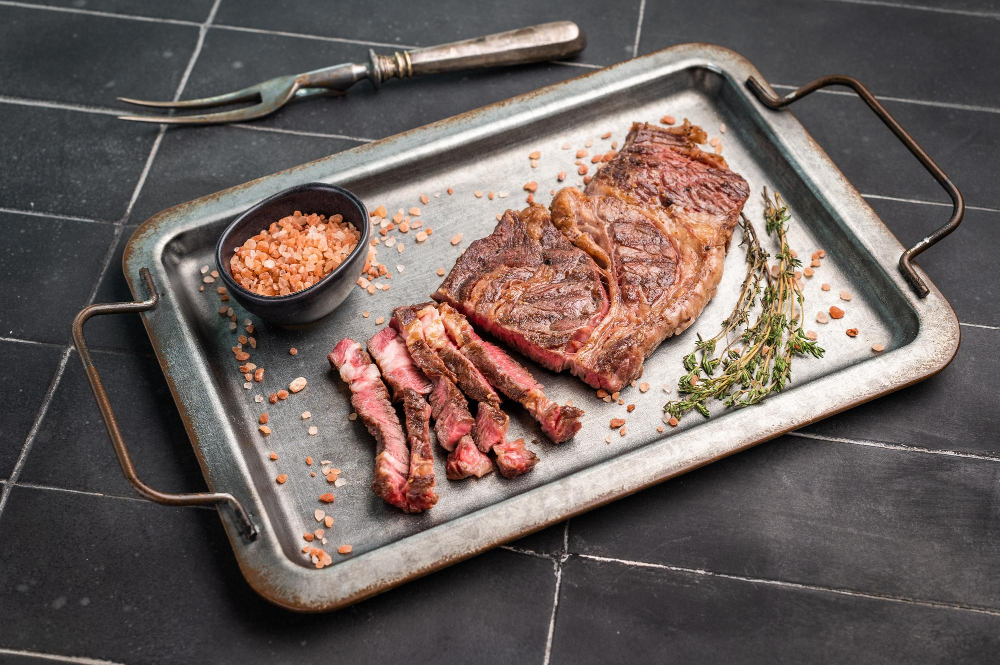
You’ve just cooked a steak. It has taken concentration and heat management and the better part of your evening attention. It looks magnificent. It smells like the reason kitchens were invented. And now you need to wait five minutes before cutting it, which feels, at this exact moment, like an unconscionable act of culinary cruelty directed specifically at you.
Wait anyway.
Resting meat after cooking is one of those rules that has somehow failed to fully penetrate home cooking culture despite being about as fundamental as applying heat in the first place. Restaurants rest meat. Professional cooks rest meat. The five minutes between pan and plate is not wasted time — it is active, essential time during which something genuinely important is happening inside the meat.
When muscle fibres are exposed to high heat, they contract and squeeze moisture toward the centre of the cut. The interior of a just-cooked steak is under pressure — the fibres are tense, the proteins contracted, the juices concentrated in the middle. If you cut it now, that pressurised moisture escapes immediately and runs across your board in a pool of everything your steak was supposed to taste like.
If you wait, the muscle fibres relax. The pressure equalises. The moisture redistributes back through the meat. When you cut it, the juices stay largely where they are — in the steak, not on the board.
This is not philosophy. This is meat physics.

The Method :
The Method
- Remove your steak (or chop, or roast, or chicken) from the heat source.
- Place it on a warm plate, a clean board, or a resting rack. A warm plate is preferable — a cold plate draws heat out of the bottom of the meat faster than ideal.
- Tent loosely with foil. Loosely. Tight foil traps steam and softens any crust you’ve worked to achieve. The foil is there to slow heat loss from the surface, not to create a steam chamber.
- Rest according to size: steaks 5 minutes, chicken breasts 5 minutes, whole chicken 15 minutes, large roasts 20-30 minutes.
- Do not cut into it to check. You will see pink juices run out and panic. They are supposed to be there. You have disrupted the process. Walk away.
- Cut after the rest. Notice how little juice escapes. Feel the quiet satisfaction of having done it correctly.
Pro Tip :
The resting principle extends beyond steak. Rested roast chicken is juicier than chicken carved at the oven door. Rested pork loin holds together better when sliced. Even burgers benefit from 2-3 minutes off the heat before serving — the patty firms slightly and the juices redistribute, making the first bite significantly better.
The habit of resting is one of the simplest and most impactful things a home cook can do, and it costs nothing except patience, which is admittedly the scarcest resource in most home kitchens at 7pm on a Tuesday.
Leave a Reply